The Evolution of Hair Tattoo Techniques
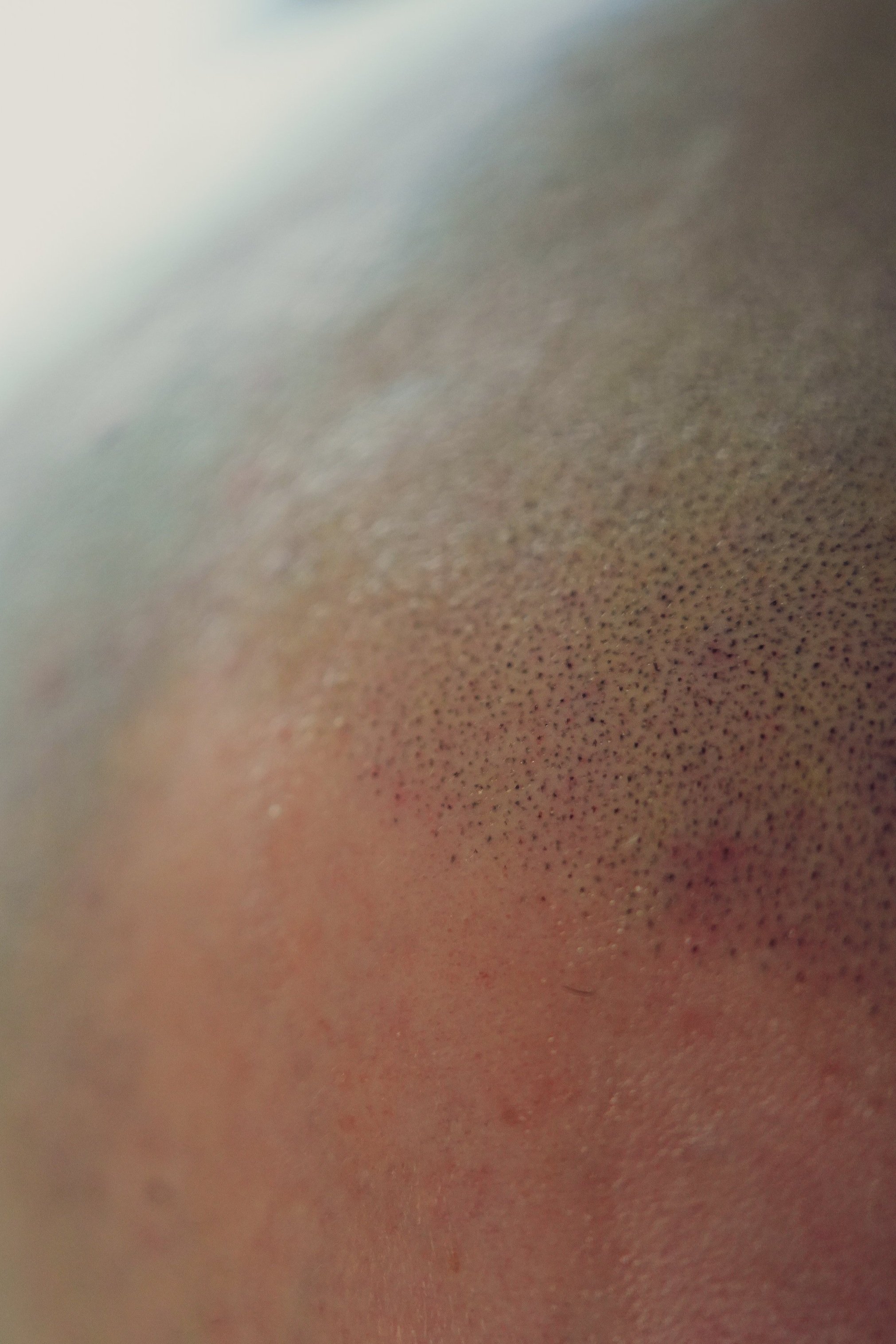
How modern SMP artistry delivers more natural, lasting results than ever before.
Scalp tattoos used to be a last resort—basic tools, limited pigments, and results that faded blue or looked stamped on. Fast forward to now, and Scalp Micropigmentation (SMP) is one of the most advanced, personalized hair loss treatments available.
From upgraded machines and pigments to artistic layering and hairline realism, here’s how SMP innovations and tattoo technology have completely transformed what’s possible—and why clients today are getting better results than ever before.
The Early Days: SMP 1.0 Was Basic, and It Showed
Years ago, scalp tattoos were done using regular tattoo machines and body ink. The needles were large, the pigment went too deep, and the results often turned blue, gray, or blurry with time.
Hairlines looked stamped on, not grown in. And there wasn’t much nuance—no texture, no layering, no personalization.
For many, it worked… but it didn’t blend in.
Enter Tattoo Technology Built for the Scalp
Now, SMP machines are lightweight, precise, and engineered specifically for shallow, scalp-level impressions.
What’s changed:
Micro-needles mimic hair follicle size
Adjustable stroke depth and speed for better control
Smoother pigment delivery with less trauma to the skin
These upgrades mean less downtime, better pigment retention, and more realistic detail in every pass.
Pigments Built Specifically for SMP
In both SMP and traditional tattooing, the pigment is essentially the same at its core: carbon-based particles suspended in a liquid carrier. But that’s where the similarities stop.
What sets SMP pigment apart is how it’s prepared and used:
Dilution & concentration: SMP pigment is often pre-diluted or mixed for layering, allowing for soft gradients and buildable density without over saturating the skin.
Particle size: High-quality SMP pigments use refined carbon for better control and to prevent blurring or spreading over time.
Carrier base: While traditional tattoo ink may use glycerin-heavy carriers, SMP pigments are typically water-based and thinner for more even implantation.
Color limitations: SMP isn’t about variety—it’s about precision. The goal is to replicate the look of tiny, shaved hair follicles using grayscale tones matched to skin tone.
Fade behavior: SMP is meant to fade gradually over years in a way that mimics natural hair density changes. Traditional tattoos aim to remain vibrant indefinitely.
So yes—SMP pigment is tattoo ink. But it’s carefully tailored to meet the technical demands of scalp work, not body art.
Hairlines That Look Like Hair, Not Ink
Here’s where artistry comes in.
Modern SMP is about feathered, soft, dimensional hairlines that match your age, head shape, and natural growth pattern. Artists now use:
Staggered impressions for realism
Layered passes to build density
Fade effects for a natural finish
At Lasting Impressions SMP, we customize every detail—because no two hairlines should ever look the same.
It’s Not Just a Tattoo Anymore—It’s an Identity Tool
With better tools, pigments, and training, today’s SMP is invisible confidence. Most clients walk out looking younger, sharper, and more in control.
Whether you’ve had past transplants, advanced thinning, or patchy growth—SMP in 2025 isn’t just an option. It’s an art.
Schedule your free consultation and see how modern SMP can create a result that blends in—and stands out.